

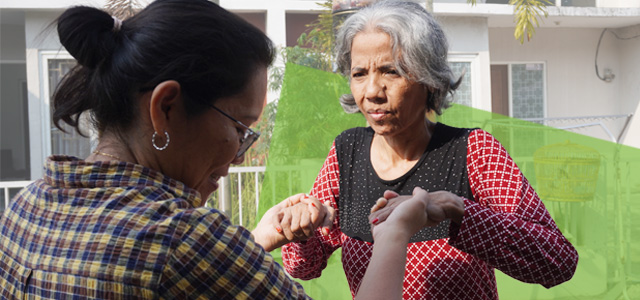
Feeling Unsteady on Your Feet? Talk to Your Doctor About Preventing Falls
Do you feel wobbly sometimes? Do you worry about falling when you walk? If you do, you are not the only one.
Many people have trouble with their balance as they get older. But the good news is you can prevent most falls. Feeling unsteady is your body’s way of telling you to pay attention to your health. It is not something you just have to live with.
Talking to your doctor is the best first step. It can help you stay safe, active, and able to do things for yourself. At Community Health Choice, we want to help. Let’s look at why you might feel unsteady and what you can do about it.
Why Do I Feel Unsteady?
Your sense of balance is based on many parts. Your brain, inner ears, eyes, and muscles all have to work together. If one part has a problem, it can make you feel off-balance.
Here are some common reasons for balance problems:
- Health Problems: Some health issues can make you feel dizzy or off-balance. This can be caused by problems with your inner ear, low blood pressure, or arthritis. Damage to the nerves in your feet, called neuropathy, can also be a cause. Neuropathy is common in people with diabetes.
- Side Effects from Medicine: Do you take several kinds of medicine? Sometimes, the combination of medicines can make you feel sleepy or dizzy. This can make it more likely you will fall.
- Eye Problems: When you cannot see well, it is hard to see things you could trip over. This could be a step, a rug, or a cord on the floor. Even small changes to your eyesight can affect your balance.
- Hearing Problems: Your ears are very important for your balance. If you have trouble hearing or have a problem with your inner ear, you might feel unsteady.
- Not Moving Enough: If you do not move your body much, your leg muscles get weak. Your bones can also become weak. Weak muscles and bones make it hard to keep your balance. It is also harder to stop yourself from falling if you stumble.
- Environmental Hazards: You may have items in the home such as loose rugs, slippery or uneven floors, poor lighting, stairs, no proper railing, furniture at dangerous heights or clutter. Any of these can lead to a fall.
First Step: Talk To Your Doctor
The most important thing you can do is call your doctor for a visit. Be open about your worries. Tell them if you have fallen. Also, tell them if you are afraid you might fall.
Your doctor can check to see how likely you are to fall. This is called a fall risk assessment. To do this, your doctor will:
- Ask you about any falls you have had.
- Look at all the medicines you take to see if any of them are making you dizzy. This is called a medication review.
- Check your blood pressure when you are sitting and when you are standing.
- Test your strength, how you walk, and how well you can keep your balance.
- Discuss vision and hearing screening
- Talk about possible home fall hazards
We know it can be hard to get to the doctor. Your Community DualCare Aligned (HMO D-SNP) or Community DualCare Access (HMO D-SNP) plan gives you 48 one-way trips each year to see your doctor. You can also talk to a doctor from the comfort of your home using a Telehealth visit.
Easy Ways to Prevent Falls
After you speak with your doctor, there are many easy things you can do to stay safe.
Make Your Home Safer
Many falls happen at home. Look around for things that could make you trip or slip.
- Clear your floors. Move piles of stuff, small rugs, and cords out of the way.
- Have grab bars installed in your bathroom. You can place them next to the toilet and in the shower.
- Use non-slip mats in the tub and on the shower floor.
- Add more light to your home. Make sure halls, stairs, and bathrooms are bright. Use night lights so you can see at night.
- Keep things you use often in a place where you can reach them easily. This will help you avoid using a step stool.
Your plan has benefits to help. You receive an allowance each month for Over the Counter (OTC) items. You can use it to buy things like non-slip bath mats or vitamins that your doctor suggests. Your plan also provides In-home Support Service from Papa Pals. A Papa Pal can be a friend to talk to. They can also help with basic cleaning jobs to keep your home safe.
Stay Active
Moving your body gently can make you stronger and improve your balance. Walking, swimming, and tai chi are all good choices. Ask your doctor what kind of exercise is safe for you. Another benefit of your plan is 24 visits for chiropractic care each year. This may help if you experience pain while walking. Consider non-slip shoes for outside activities as well as for around the home.
Check Your Eyes and Ears
Seeing and hearing well is also important for good balance. Make sure to schedule annual eye and ear appointments. Your plan gives you an allowance to help pay for vision care and hearing aids each year to help you see and hear your best.
Community Cares
Your health and safety are what’s most important to us. You do not have to be afraid of falling. By talking to your doctor and taking these easy steps, you can feel safer and more confident. We are your neighbors, and we want to help you get the care you need.
If you have questions about your benefits or need help finding a doctor, please call Member Services at 1.833.276.8306 (TTY users should call 711).
Sources:
- “Fall Prevention: Simple tips to prevent falls.” Mayo Clinic.
- “Falls and Fractures in Older Adults: Causes and Prevention.” National Institute on Aging.
- “Stay Independent.” Centers for Disease Control and Prevention, STEADI – Stopping Elderly Accidents, Deaths & Injuries.